|
 |
 |
|
Wigan Pier
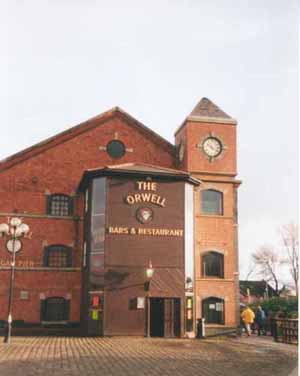
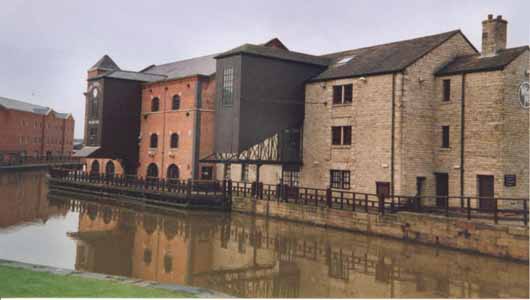
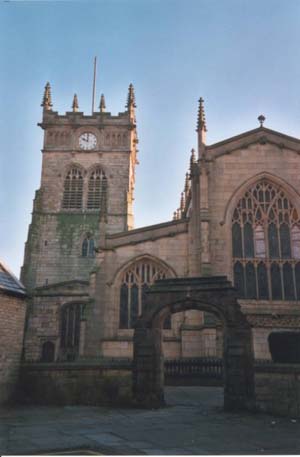
Wigan's development as an industrial town centred around coal mining which began as early as 1450. By the 19th century there were over 1,000 pit shafts in operation in the surrounding area supplying the fuel for Lancashire's expanding textile industry. The Leeds and Liverpool Canal which runs through the town was a key means of transporting the coal to the cotton mills of Lancashire and Wigan Pier the major loading bay remains one of the most substantial and interesting features of the waterway. A well-known musical hall joke, first referred to by George Formby senior as he told of the virtues of his home town over Blackpool, it was the 1930's novel by George Orwell, The Road to Wigan Pier, that really put the old wharf on the map.
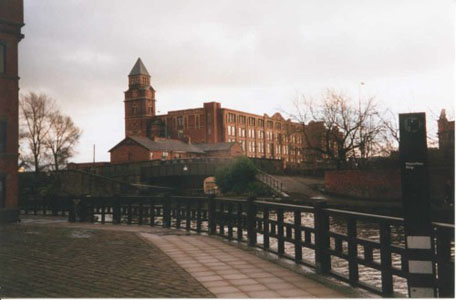
Today the pier has been beautifully restored and it is now a key attraction in the area. There are canal boat rides and a superb exhibition, The Way We Were based on local social history and with costumed actors playing the part of the townsfolk of the 19th Century. The pier is also home to Trencherfield Mill where not only is there the largest working mill engine in the world on display but also a collection of old textile machines and other engines.
However, Wigan is not a town living in the past bust as well as having a modern town centre with all the usual amenities there is some fine countryside on the doorstep including the Douglas Valley Trail along the bankds of the River Douglas. Even the town's coal mining past has interesting links with the natural world; Pennington Flash is a large lake formed by mining subsidence that is now a wildlife serverve and a country park. To the north of the town lies Haigh Country Park one of the first to be designated in England that is formed from the estate of the Earls of Crawford. Although Haigh Hall is not open to the public the park includes areas of mixed woodland as well as a children's play area and a cafe.
|
|
|
|
|
||